
 By
Fatty liver is one of the most common health problems worldwide, and it responds well to diet. Many people develop liver fat without warning, and the good news is that what you eat is the foundation of managing it. This guide covers the evidence-based fatty liver diet: what to eat and limit, how much weight loss matters, and what's new in understanding and treating fatty liver.
A Liver-Friendly Diet: What the Evidence Shows
What Is Fatty Liver Disease and Why Does Diet Matter?
Fatty liver disease is now known as metabolic dysfunction-associated steatotic liver disease, or MASLD. It used to be called nonalcoholic fatty liver disease, or NAFLD. It occurs when fat builds up in the liver and is commonly associated with conditions such as obesity, type 2 diabetes, high cholesterol, and high blood pressure. A more severe form with liver inflammation is known as metabolic dysfunction-associated steatohepatitis, or MASH, previously called NASH. MASLD often causes no symptoms and is therefore frequently discovered incidentally through blood tests or imaging.
The main ways to prevent and manage MASLD include lifestyle changes, such as diet and weight loss. Eating a healthy diet can reduce liver fat and inflammation and may help reverse MASLD and MASH.
Can You Treat Fatty Liver Disease Naturally?
Yes, for many people, lifestyle changes can make a significant difference. Liver fat and inflammation may respond more readily in the early stages with sustained dietary and weight changes. Weight loss matters. Losing 5% to 10% of body weight can significantly improve MASLD. Liver clinics often describe this in stages: a 5% reduction in body weight to reduce liver fat, while a 7% to 10% reduction may improve inflammation and, in some cases, liver scarring. The extent of improvement depends on the stage and severity of liver disease. This is a good reason to act early. Advanced scarring (cirrhosis) is much more difficult to reverse.
On the medical front, there is also real news. In March 2024, the FDA approved resmetirom (Rezdiffra) for eligible patients with noncirrhotic MASH and moderate-to-advanced liver scarring. In August 2025, semaglutide (Wegovy) received FDA approval for the same condition. European liver societies' guidance in 2026 also reflects these treatment options. These medications are prescribed to eligible patients alongside lifestyle interventions such as diet and exercise.
The Foundation: A Mediterranean-Style Diet
For people with MASLD, the Mediterranean diet is recommended, and the Mayo Clinic notes that it can be a powerful tool against liver disease even if you don't lose weight. According to the American Association for the Study of Liver Diseases, it is a pattern that focuses on vegetables, fruits, nuts, legumes, and seafood or plant-based proteins rather than red and processed meats. It contains lots of fibre, vitamins, minerals, and polyphenols, which are plant compounds with antioxidant and anti-inflammatory properties.
What to Eat for a Fatty Liver
Vegetables
Aim for at least three servings a day. Focus on non-starchy vegetables such as broccoli, asparagus, carrots, and spinach, and eat less of the starchy ones, such as potatoes.
Fruit
Try to eat at least two servings of whole fruit each day – fresh or frozen. Don't drink fruit juice. It's high in sugar and low in fibre.
Fish and Seafood
Aim for three or more servings each week. Fatty, cold-water fish such as salmon, sardines, mackerel, and herring are packed with anti-inflammatory omega-3 fats.
Beans and Legumes
Lentils, peas, and beans (at least three servings a week) provide fibre and plant protein.
Nuts and Seeds
Choose raw, unsalted nuts and seeds, such as walnuts, chia seeds, and almonds. About four servings per week.
Whole Grains
Choose 100% whole grains like oats, brown rice, and whole-grain bread.
Healthy Fats
Replace butter with olive or avocado oil, and stay away from anything that says "hydrogenated oils."
Lean Protein
Good sources are eggs and skinless poultry.
Tea, Coffee, and Water
The best choice is unsweetened drinks. Polyphenols in black coffee and green tea may help support liver health and lower liver fat.
Foods to Limit or Avoid With Fatty Liver
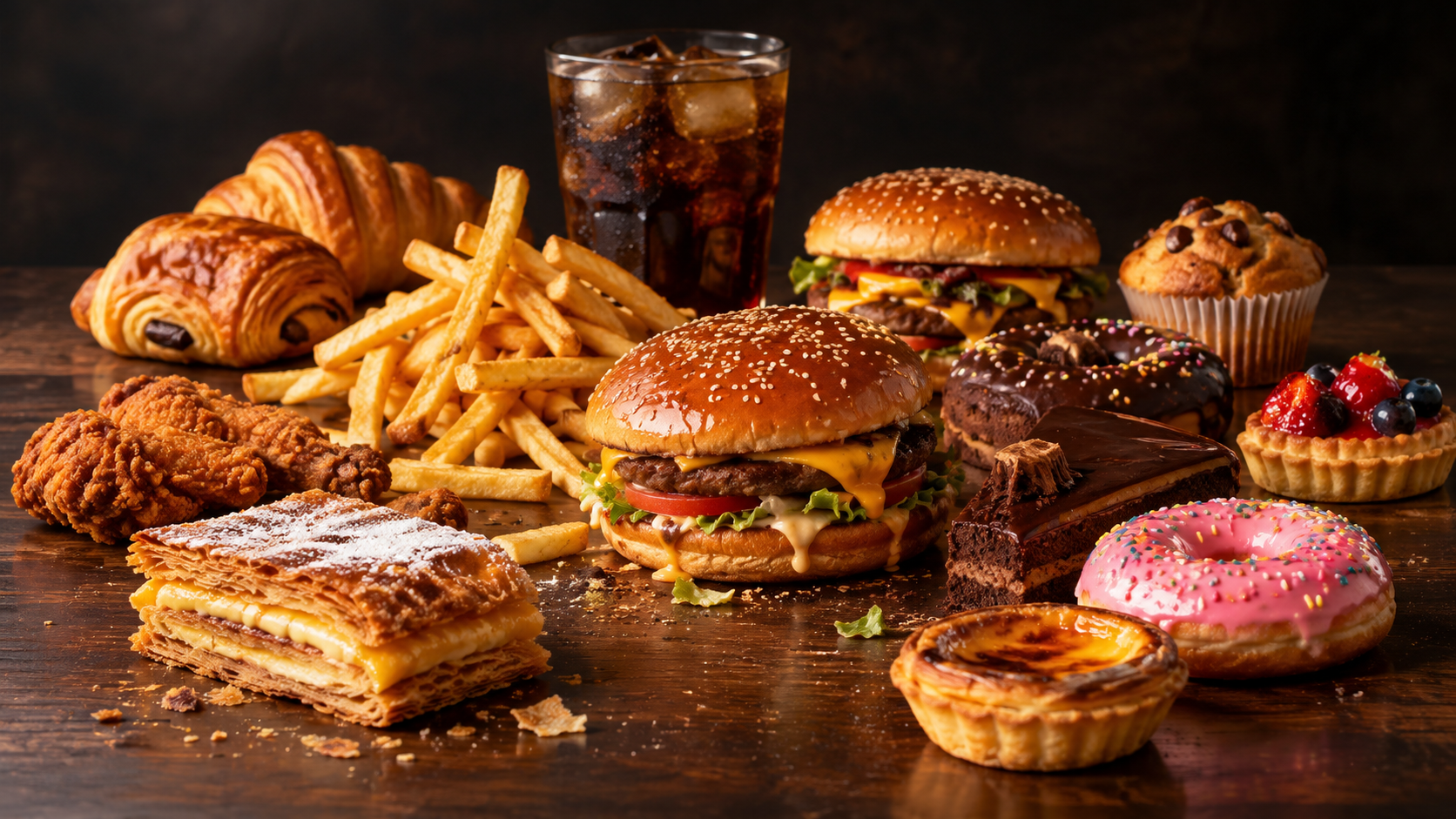
- Deeply processed foods such as frozen meals, pizzas, and canned goods with added salt or sugar.
- Soda, juice, candy, sugary cereals, and other high-sugar foods and drinks.
- Refined carbs like chips, baked goods, and white bread.
- Foods high in saturated fat, such as fatty meats, French fries, butter, and whole milk.
- Red and processed meats such as deli meats, hot dogs, and nuggets.
- Alcohol, particularly for people with significant liver fibrosis or cirrhosis. People with MASLD should discuss alcohol consumption with their doctor.
Build Your Plate: The Plate Method
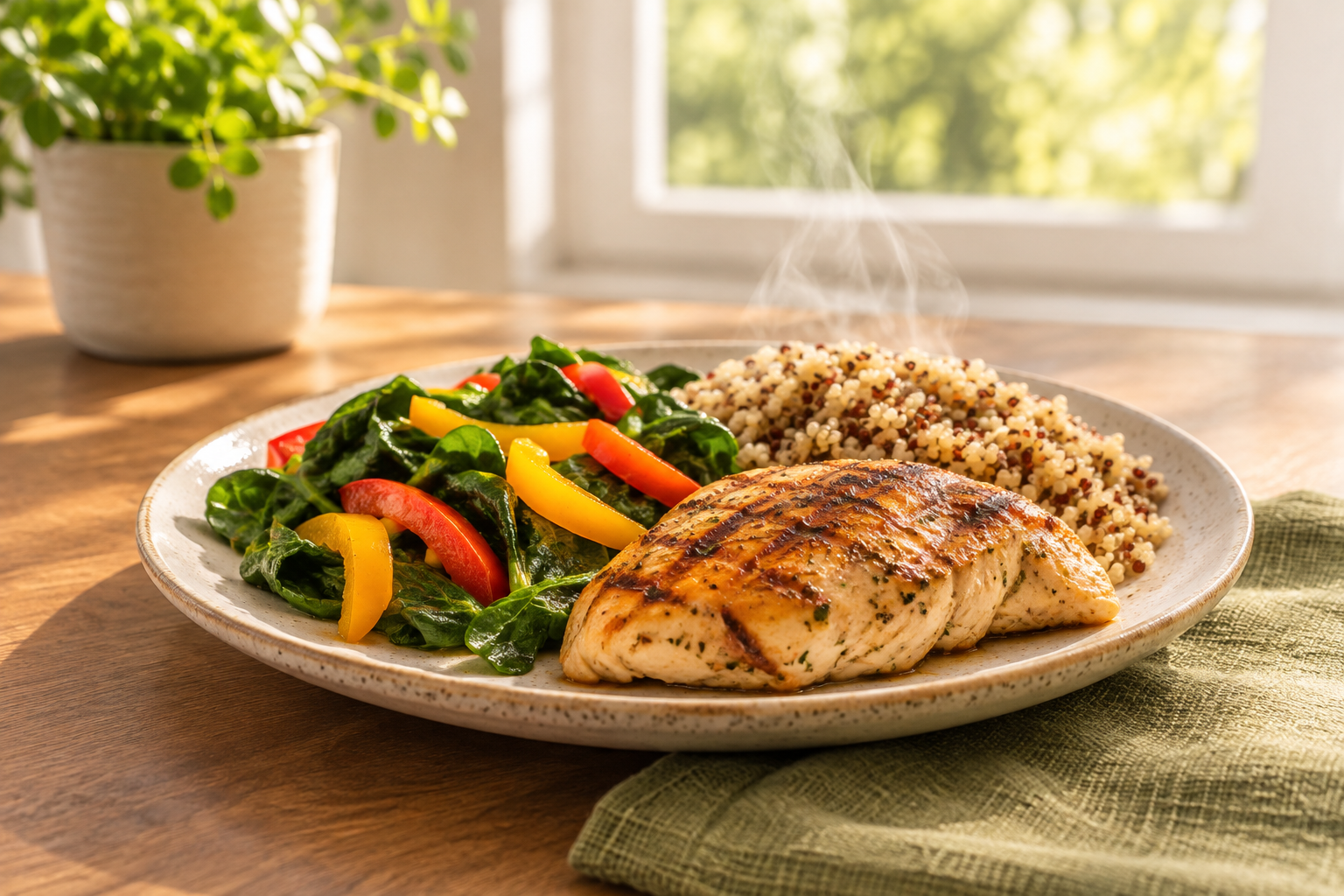
The plate method is an easy way to implement this. Fill half your plate with non-starchy vegetables, 1/4 with whole grains or starchy vegetables, and 1/4 with protein such as fish, poultry, or beans. So a day might look like an omelette with spinach and tomatoes, served with avocado toast for breakfast; bean and barley soup with a spinach salad for lunch; veggies with a handful of almonds as a snack; and baked salmon with brown rice and asparagus for dinner.
Eat to Keep Blood Sugar Steady and Lose Weight Slowly
Insulin resistance is closely tied to fatty liver, so keeping blood sugar stable supports both. Mixing carbs with protein and fibre, choosing whole foods over refined foods, and avoiding long gaps between meals followed by large meals all help. If you're working on insulin resistance, the same habits will serve both goals. It's about gradual, long-term weight loss, not a crash diet.
What About Supplements for Fatty Liver?
Some evidence suggests omega-3 fatty acids may reduce liver fat, and vitamin E may help with liver fat and inflammation in some cases, but the evidence is still evolving. Vitamin E in particular is used under medical supervision for specific situations. Food is the better starting point.
How Long Does It Take to Improve Fatty Liver?
There is no single timeline. With consistent changes over weeks to months, liver fat can start to improve, and follow-up blood tests and imaging measure progress. The most important pattern is consistency: people who see the greatest changes stick with the new way of eating.
Take a Root-Cause Approach to Liver and Metabolic Health With Infinity Wellness
Eating for fatty liver isn't complicated, but it works best as a lifestyle, not a quick fix. The building blocks, supported by substantial evidence, are the Mediterranean pattern, less sugar and processed foods, avoiding alcohol, steady weight loss, and attention to blood sugar.
Infinity Wellness Centre takes a personalized, integrative, and root-cause approach to metabolic health, with nutritional support and meal planning, exercise and movement guidance, attention to hormonal balance and nutrient levels, and strategies for stress and sleep. Functional blood chemistry analysis can also help identify the markers behind how you feel. Schedule a consultation with Infinity Wellness to create a strategy that fits your body, dietary preferences, and goals.
Frequently Asked Questions About Fatty Liver Diet
What Is the Best Diet for Fatty Liver Disease?
The Mediterranean diet is a recommended dietary pattern for MASLD, rich in vegetables, fruits, fish, legumes, nuts, whole grains, and olive oil, and low in processed foods, sugary foods and drinks, refined carbohydrates, and red and processed meats.
Can Diet Reverse Fatty Liver?
Yes. In earlier stages, diet and weight loss can reduce liver fat and inflammation and may reverse MASLD. Losing 5% to 10% of body weight can significantly improve MASLD. Advanced scarring is more difficult to reverse, so early action helps.
Does Coffee Aid Fatty Liver Disease?
Unsweetened coffee is a good choice, and the polyphenols in black coffee may help reduce liver fat. Adding excessive sugar or heavy cream can reduce the health benefits of an otherwise unsweetened coffee.
Can You Eat Eggs With Fatty Liver Disease?
Yes. In the Mediterranean-style pattern, eggs are a good source of protein, as are skinless poultry, fish, and legumes.
How Long Does It Take to Reverse Fatty Liver?
That depends. If you make consistent changes, you may see improvements in liver fat over weeks to months. Follow-up blood tests and imaging measure progress. Habits that stick matter most.