 By
By
Let me give you a straight answer: a parasite cleanse is not a weight-loss treatment, and on its own it rarely relieves ongoing bloating. True intestinal parasites are relatively uncommon in the United States and Canada, and their symptoms overlap with many other digestive issues, so in most cases the cleanse has nothing to remove.
When the scale drops during one of these protocols, it reflects water loss and reduced gut content from a lower-calorie, low-sodium, higher-fiber diet. That is not a genuine reduction in body fat, which requires a sustained calorie deficit over time. The lighter, less bloated feeling most people describe usually comes from the foods the plan removes — less sugar, alcohol, processed carbs, and often dairy — not from anything being flushed out.
In my practice, lasting relief from bloating comes from identifying its real drivers, such as food sensitivities, gut imbalances like SIBO, and stress. Sustainable weight change comes from the fundamentals: consistent eating patterns, activity, sleep, and metabolic health. If your symptoms genuinely point to a parasitic infection, I recommend confirming it with proper stool testing and treating it appropriately, rather than relying on an over-the-counter detox.
Does a Parasite Cleanse Make You Lose Weight?

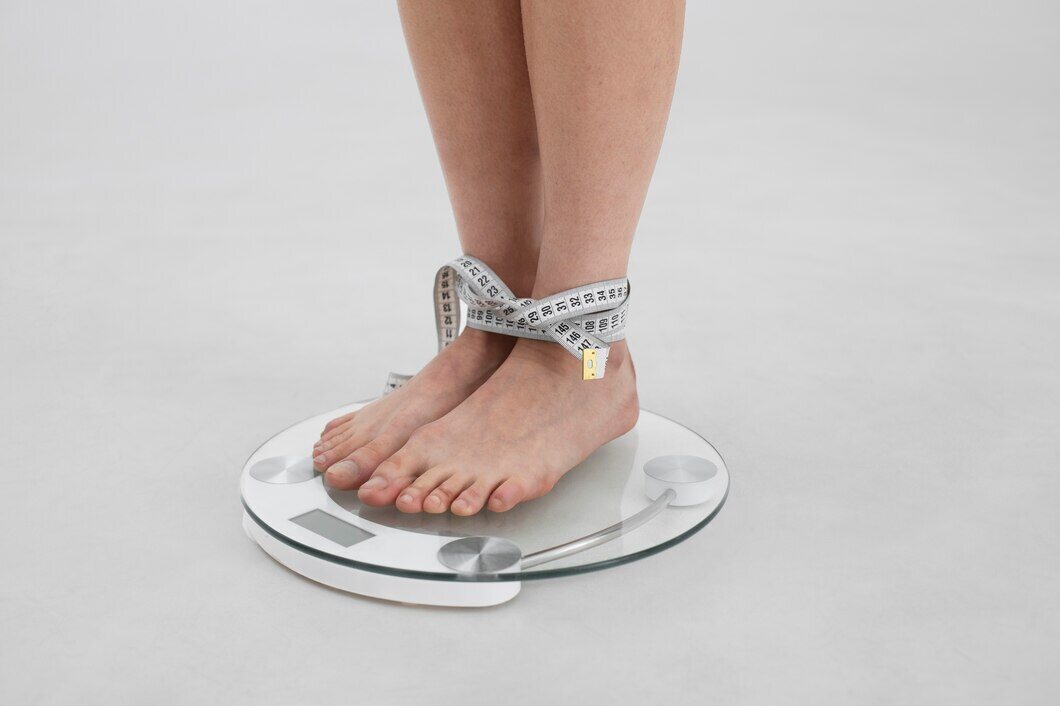
The short answer above holds up under a closer look. Parasite cleanse protocols are typically low-calorie by design and cut out entire food categories, sugar, alcohol, processed carbs, so a temporary calorie deficit is built into the plan itself. Add in the extra bowel movements and reduced water retention that come from a fibre-heavy, low-sodium diet, and the number on the scale can drop within the first week.
None of that is fat loss. It's the same kind of early, fast drop anyone sees on any restrictive diet: water weight and reduced gut content. Fat loss requires a sustained calorie deficit over time, and a two-to-four-week cleanse isn't structured to produce that on its own. Once regular meals, portions, and sodium levels return, most of the early drop reverses within days to a couple of weeks. If someone actually has a parasitic infection, treating it can help restore normal appetite and nutrient absorption, which may support weight stabilizing, but that's a different mechanism from the cleanse itself causing loss.
Can Parasites Cause Weight Gain?
Not typically. A real parasitic infection is far more associated with unintentional weight loss than weight gain, since most intestinal parasites compete for nutrients rather than adding mass. Bloating from an infection can make someone feel heavier or look more swollen, which is sometimes mistaken for actual weight gain, but that's water and gas, not fat.
Weight Loss After a Parasite Cleanse
Most of what people see right after a cleanse is the water-and-waste drop described above, and it tends to creep back once regular eating resumes. This isn't a failure of the cleanse; it's just how temporary calorie and sodium restriction works for anyone, parasites aside. Sustainable weight change still comes down to the same long-term factors it always does: consistent eating patterns, activity, sleep, and metabolic health, not a two-to-four-week reset. Treating an actual confirmed infection, if one exists, is a separate goal from weight management and shouldn't be framed as a weight-loss method.
Parasite Cleanse and Bloating
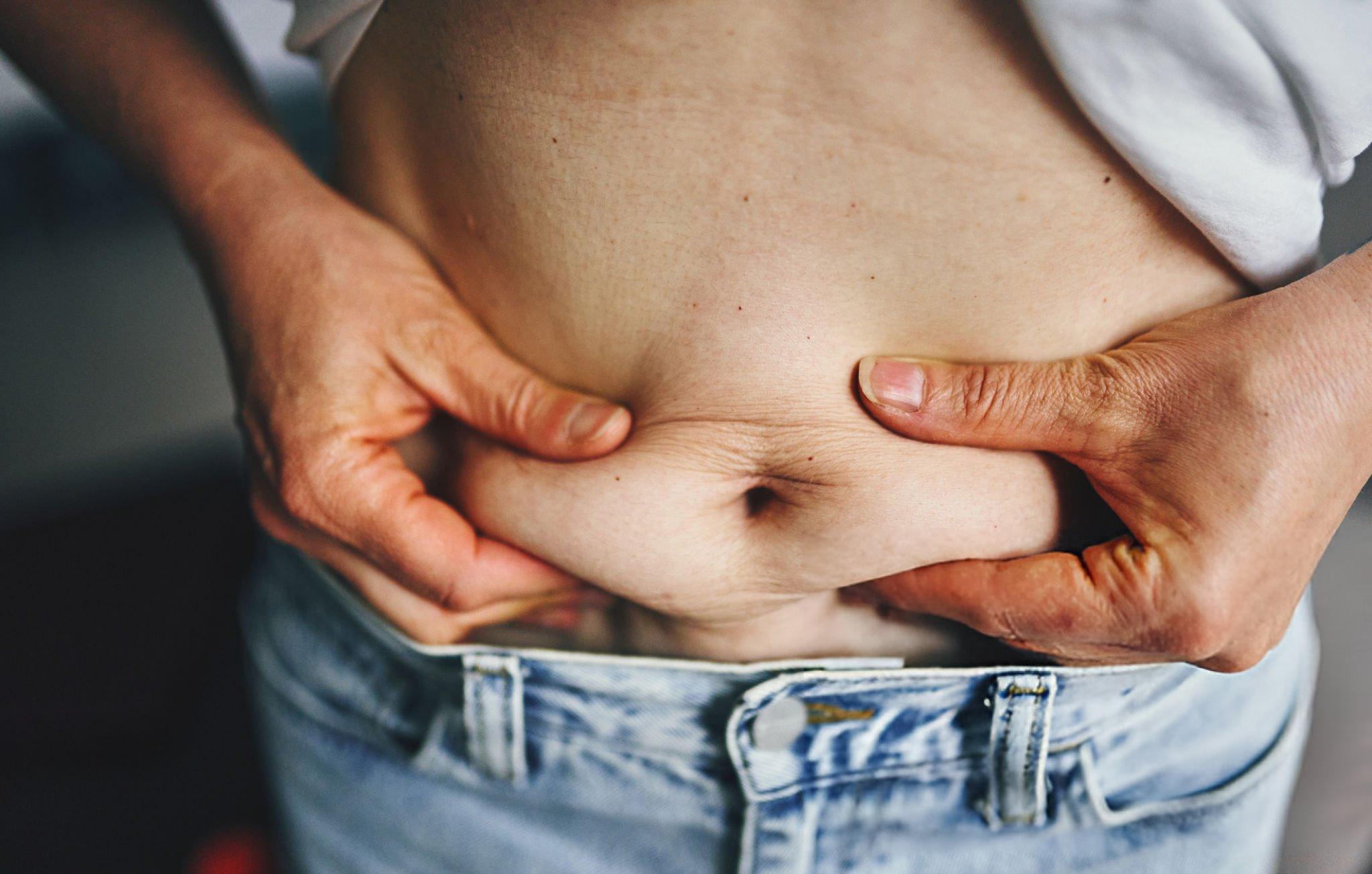
Some people do feel less bloated during a cleanse, but it's usually because the diet removes common trigger foods, sugar, alcohol, processed carbs, certain dairy, not because parasites were removed. The relief is real, but it's coming from what's missing off the plate, not from anything being flushed out. For the actual causes behind most persistent bloating, the next section is a better starting point than assuming a parasite is involved.
What Actually Causes Stubborn Bloating and Water Retention
Most chronic bloating has nothing to do with parasites. IBS causes recurring bloating and irregular bowel habits tied to gut sensitivity rather than infection. Constipation allows gas and waste to build up, creating pressure and visible distension. SIBO (small intestinal bacterial overgrowth) produces excess gas as bacteria ferment food higher up in the digestive tract than usual. Food intolerances, including dairy, gluten, and high-FODMAP foods, trigger bloating in people who react to them, often unpredictably. Hormonal shifts, especially around the menstrual cycle, cause temporary water retention and a bloated feeling unrelated to digestion. High-sodium or high-carb days pull extra water into the body, showing up as puffiness or a tighter waistband by the next morning. Adding fibre too quickly overwhelms the gut before it adjusts, producing gas and bloating that usually settles once intake increases gradually. Any of these, alone or combined, explain the large majority of ongoing bloating complaints.
How Do You Feel During a Parasite Cleanse?

Most of what people notice, fatigue, headaches, irritability, digestive changes, comes from the restrictive diet itself: fewer calories, less sugar and caffeine, and a sudden shift in what the gut is used to processing. It's a predictable response to dietary change, not evidence that something is being "pulled out" of the body. People on any sudden, restrictive diet tend to report similar symptoms in the first several days, cleanse or not.
Does a Parasite Cleanse Make You Tired?
Yes, tiredness is common, especially in the first few days. It's generally the result of lower calorie intake and cutting caffeine or sugar all at once, not a sign of the cleanse "working" or toxins leaving the body. Energy typically levels out within a week as the body adjusts to the new eating pattern.
A cleanse won't tell you whether you actually have a parasite, and it won't treat one. If you think you might have an infection, here's how real parasites are diagnosed and treated → The Surprising Effects of Parasites on Weight Loss.
FAQs
Is it normal to lose several pounds in the first few days of a cleanse?
Yes. That's typically water weight and reduced gut content from eating less and cutting sodium and processed food, not fat loss.
Will drinking more water during a cleanse reduce bloating?
Often, yes. Adequate water intake actually reduces water retention, since the body holds onto less fluid when it isn't dehydrated.
Can stress make cleanse-related bloating worse?
Yes. Stress affects digestion and gut motility, and can intensify bloating independent of anything related to food or parasites.
Does cutting dairy during a cleanse explain feeling less bloated?
For many people, yes. Dairy is a common bloating trigger, so removing it, even temporarily, often reduces symptoms on its own.
Should the scale be the main measure of whether a cleanse "worked"?
No. Scale changes during a cleanse mostly reflect water and food volume, not a meaningful health outcome. Energy, digestion, and how clothes fit tend to be more useful signals.
If persistent bloating, unexplained weight changes, or ongoing digestive symptoms are the real concern, the next step is proper evaluation, not another cleanse. A consultation can help determine what's actually driving the symptoms and what to do about it.