Best Diet Tips for Supporting a Parasite Cleanse
 By
By
A parasite cleanse diet cuts refined sugar, alcohol and processed food, and leans on fibre, fermented foods, and foods with studied antiparasitic compounds — pumpkin seeds, garlic, papaya seeds, oregano and coconut. Most protocols run two to four weeks. Diet alone won't clear a confirmed parasitic infection. That takes stool testing and prescription medication.
What Is a Parasite Cleanse Diet?
A parasite cleanse diet is an eating pattern built around foods studied for antiparasitic or gut-supportive properties, paired with cutting out foods that irritate digestion or feed an unhealthy gut environment. It's worth being precise about the word "cleanse" here: it's a wellness term, not a medical diagnosis, and no governing health body recognizes it as a treatment for a confirmed infection.
People typically turn to this diet out of concern about organisms like Giardia, pinworms (Enterobius vermicularis), tapeworms (Taenia species), or Blastocystis hominis, usually after digestive symptoms, unexplained fatigue, or a positive travel or pet-exposure history.
What the diet realistically does: it supports digestion, removes foods that irritate the gut lining, and adds foods with studied compounds that may create a less favorable gut environment. What it doesn't do is flush parasites out of the body in any literal sense. If a parasite is actually present, the diet is support around treatment, not a replacement for it.
Foods to Eat on a Parasite Cleanse
|
Food |
Active Compound |
How Much Per Day |
Evidence |
|
Raw pumpkin seeds |
Cucurbitacin |
1 oz (30 g), chewed well |
Moderate |
|
Papaya seeds |
Benzyl isothiocyanate, carpaine |
½–1 tsp ground, with honey |
Limited |
|
Raw garlic |
Allicin |
1–2 cloves, crushed, rested 10 min |
Limited |
|
Oregano oil |
Carvacrol, thymol |
Per label, 2 weeks max |
Limited |
|
Coconut oil |
Lauric acid |
1–2 tbsp |
Preliminary |
|
Berberine herbs (goldenseal, Oregon grape) |
Berberine |
Per label |
Limited |
|
Cloves |
Eugenol |
Culinary amounts |
Preliminary |
|
Fermented foods (sauerkraut, kefir, kimchi) |
Live cultures |
1 serving |
Supportive |
|
High-fibre vegetables |
Insoluble fibre |
25–35 g fibre total |
Supportive |
|
Pineapple / papaya flesh |
Bromelain, papain |
1 serving |
Preliminary |
Moderate — some human studies exist. Limited — small human studies or animal studies only. Preliminary — lab studies only, never tested in people. Supportive — helps digestion generally, not directly antiparasitic.
- Cucurbitacin, the compound naturally present in pumpkin seeds, has shown some ability to paralyze intestinal worms in small human studies, making them easier for the body to pass. A daily ounce, chewed thoroughly rather than swallowed whole, is the amount most commonly used in the available research.
- Ground papaya seeds contain benzyl isothiocyanate and carpaine, compounds studied for activity against intestinal parasites in small trials and case reports. A half to full teaspoon mixed with honey is the traditional dosing, though the supporting research stays limited in scale and the taste is intensely bitter at full strength.
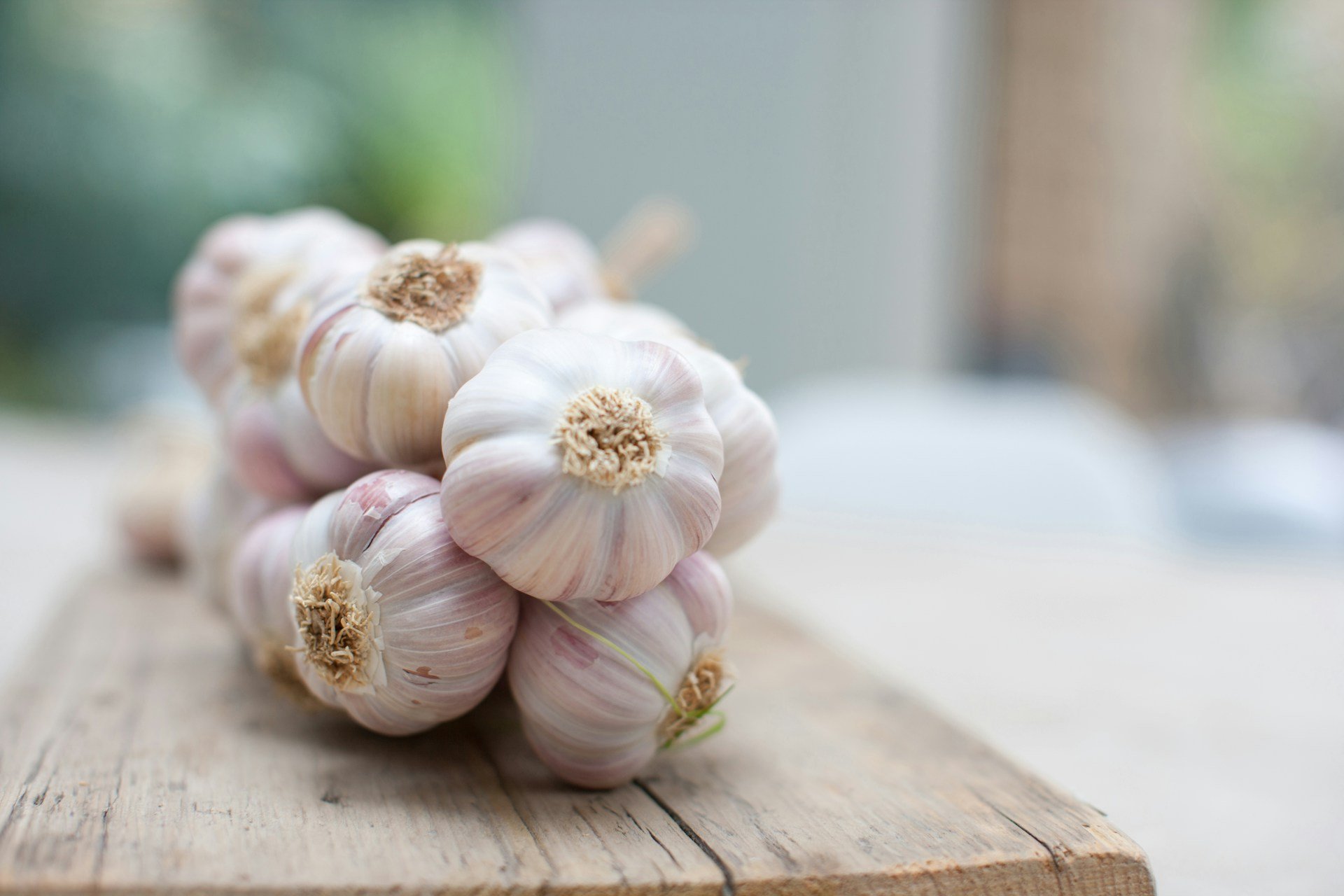
- Allicin forms when garlic is crushed, and it's one of the more studied plant compounds for antimicrobial activity generally. Crushing one to two cloves and letting them rest about ten minutes before eating allows allicin to fully develop. Evidence for antiparasitic activity specifically, rather than general antimicrobial effects, stays limited to lab and small-scale studies.
- Carvacrol and thymol, the active compounds in oregano oil, have demonstrated antimicrobial properties in laboratory research. Most protocols call for label-directed dosing for no more than two weeks at a stretch, since prolonged use can irritate the gut lining. Human trial data remains limited, so oregano oil works best as one part of a broader plan.
- Lauric acid, a fatty acid that makes up a large share of coconut oil, has shown antimicrobial activity in lab research. One to two tablespoons daily is a common addition to meals or coffee during a cleanse. The research so far hasn't moved past laboratory settings, so preliminary is the honest way to describe it.
- Berberine is the compound responsible for the antimicrobial reputation of herbs like goldenseal and Oregon grape. Dosing varies by product, so label instructions should be followed closely rather than estimated. Berberine can interact with certain medications, which is worth flagging to a doctor before adding it.
- Eugenol, the compound that gives cloves their sharp flavor, has shown antimicrobial activity in lab research. Culinary amounts, added to teas, meals, or broths, are typically as far as most cleanse protocols go. Preliminary is the right label here, since human studies are essentially absent.
- Live cultures in fermented foods support the gut's existing bacterial population, which plays an indirect role in overall gut resilience. A single serving a day is generally enough to introduce beneficial strains without overwhelming digestion. This falls under supportive rather than antiparasitic, since the benefit lies in general gut health rather than a direct effect on parasites.
- Insoluble fibre keeps waste moving through the digestive tract, which matters during any elimination-focused protocol. Twenty-five to thirty-five grams of total daily fibre is a reasonable target, spread across meals rather than concentrated in one sitting. Like fermented foods, this is supportive rather than directly antiparasitic.
- Bromelain and papain, the enzymes found in pineapple and papaya flesh, break down proteins and have shown some digestive benefit in early research. A single serving alongside meals is the typical amount used. Preliminary best describes the current evidence, since most of what's known comes from lab studies rather than clinical trials in people.
Foods to Avoid on a Parasite Cleanse
Removing the wrong foods matters as much as adding the right ones. A handful of categories are worth cutting for the length of a cleanse.
- The "sugar feeds parasites" line gets repeated everywhere, and it's shakier than it sounds. The direct mechanism in humans isn't well established. What we do know is that heavy refined-sugar intake disrupts gut bacteria and gut barrier function, reason enough to cut it for a few weeks regardless of the parasite-specific claim.
- Alcohol places extra strain on the liver, the organ doing much of the work during any cleanse, and it can interact poorly with herbal antimicrobials like oregano oil or berberine. Ultra-processed foods bring artificial additives, excess sodium, and refined oils that are generally hard on digestion, independent of any parasite connection. Refined grains and white flour break down quickly into glucose and contribute to the same blood sugar swings as refined sugar; swapping in whole grains, in modest portions, is a simpler fix than cutting grains entirely.
- Raw or undercooked meat and fish deserve a category of their own, not because they interact with the cleanse itself, but because they're a direct exposure route for tapeworm and roundworm larvae. No amount of dietary discipline elsewhere offsets that risk; thorough cooking is the actual safeguard. Conventional dairy, particularly sweetened or heavily processed versions, can be inflammatory for some people during a cleanse, though this is distinct from the plain fermented dairy (like unsweetened kefir) already recommended above.
7-Day Parasite Cleanse Meal Plan
Day 1:
Breakfast: eggs with sautéed greens and garlic.
Lunch: mixed greens with grilled chicken, olive oil, and pumpkin seeds.
Dinner: baked fish, steamed vegetables, and a small serving of quinoa.
Day 2:
Breakfast: coconut yogurt with berries and ground flax.
Lunch: lentil soup with garlic and turmeric.
Dinner: stir-fried vegetables with tofu or chicken, ginger, and coconut oil.
Day 3:
Breakfast: papaya and pineapple with a spoon of ground pumpkin seeds.
Lunch: grilled fish with a side of sauerkraut and steamed broccoli.
Dinner: roasted chicken with root vegetables and herbs.
Day 4:
Breakfast: oatmeal with cinnamon and walnuts.
Lunch: grain bowl with brown rice, roasted vegetables, and chickpeas.
Dinner: baked salmon with sautéed kale and garlic.
Day 5:
Breakfast: smoothie with coconut milk, papaya, and ginger.
Lunch: salad with grilled shrimp, olive oil, lemon, and pumpkin seeds.
Dinner: cauliflower rice with garlic, vegetables, and a protein of choice.
Day 6:
Breakfast: veggie omelet with garlic and greens.
Lunch: coconut curry with chickpeas and spinach over cauliflower rice.
Dinner: grilled chicken with steamed vegetables and a kimchi side.
Day 7: Breakfast: chia pudding with coconut milk and berries.
Lunch: vegetable soup with garlic and turmeric.
Dinner: baked cod with roasted vegetables and a small side salad.
Drink at least half your body weight in ounces of filtered water daily, and keep sugar, alcohol, and processed foods out of every day on this plan.
How Long Does a Parasite Cleanse Take?
Most parasite cleanse diets run two to four weeks.
|
Timeframe |
What People Commonly Notice |
|
Days 1–3 |
Mild digestive changes and appetite shifts as the diet changes take effect |
|
Days 4–7 |
Bloating, gas, or looser stools as fibre and antiparasitic foods increase |
|
Week 2 |
Energy often stabilizes; sugar and refined-carb cravings typically ease |
|
Weeks 3–4 |
Digestion feels more regular for many people; some notice clearer thinking |
These are commonly reported patterns, not promises. Actual timing depends on the individual, how closely the diet is followed, and whether a parasite is actually present.
Die-Off Symptoms: What's Normal and What Isn't
Common and usually mild: fatigue, headache, bloating, changes in bowel habits, irritability, mild nausea.
Stop and call a doctor: fever, blood in stool, severe or persistent vomiting, signs of dehydration, severe abdominal pain, or any symptom lasting more than a few days.
The first list reflects what most people experience as the body adjusts. The second list does not belong in that category and needs medical attention, not patience.
Who Should Not Do a Parasite Cleanse
- Pregnant or breastfeeding individuals — several herbs used in cleanse protocols haven't been studied for safety in pregnancy or lactation.
- Children, without medical supervision — dosing and tolerance differ significantly from adults.
- Anyone with inflammatory bowel disease, or mid-flare — added fibre and herbal compounds can aggravate an active flare.
- Immunocompromised patients — infections and complications carry higher risk and need direct medical oversight.
- Anyone on blood thinners — garlic and black walnut both interact with anticoagulant medication.
- Anyone with a seizure history — wormwood contains thujone, which has been linked to seizure activity.
- Anyone with liver or kidney disease — these organs process much of what a cleanse asks the body to handle.
- Anyone with undiagnosed digestive symptoms — get a diagnosis first, since a cleanse can mask or delay identifying the actual cause.
When You Need Testing and Medication Instead
Some symptoms call for testing rather than a food-based approach: persistent diarrhea lasting more than a few days, visible worm segments in stool, unexplained and significant weight loss, blood in stool, or symptoms that don't budge after weeks of dietary changes.
- The stool ova and parasite (O&P) test remains the standard, typically run across two or three separate samples to improve accuracy. A multiplex PCR stool panel offers more sensitive detection for a broader range of organisms, including ones microscopy sometimes misses. For suspected pinworms specifically, a cellophane tape test, done first thing in the morning before bathing, is the standard diagnostic.
- Confirmed infections are treated with prescription antiparasitic medication, generally drawn from options like albendazole, ivermectin, praziquantel, nitazoxanide, or metronidazole, depending on the organism identified. Dosing and selection are a medical decision, not something to determine from an article.
Here's the plain version: a food-based cleanse will not clear a confirmed tapeworm or Giardia infection. If symptoms and testing point to a real infection, a consultation with a provider who can prescribe appropriate treatment is the next step.
How to Avoid Getting Reinfected
Pinworm is the clearest case study in why reinfection happens: eggs spread easily through households, so treating one person while everyone else keeps the same habits often means treating the same infection again in a few months. Hot-washing bedding and underwear, showering in the morning rather than at night, keeping fingernails short, and treating everyone in the household at the same time all interrupt that cycle.
Beyond the household level, handwashing before eating and after using the bathroom matters more than most people realize, especially for reducing fecal-oral transmission. Washing produce thoroughly, even items that look clean, removes a meaningful amount of risk. Cooking meat and fish to safe internal temperatures eliminates the larvae and eggs that undercooking leaves behind. When traveling, sticking to filtered or bottled water, and being cautious with ice and raw produce washed in local tap water, closes off one of the more common reinfection routes.
What to Eat After Your Cleanse
Reintroduce foods gradually rather than all at once. Start with the carbohydrates cut during the cleanse, like whole grains and starchy vegetables, before easing back into dairy or less restricted proteins, watching for any symptoms that resurface with each addition.
Some habits are worth keeping permanently: the reduced sugar intake, the emphasis on fibre, and the fermented foods that support gut bacteria. Continuing a small daily serving of fermented vegetables, kefir, or a quality probiotic helps rebuild the microbial population that a cleanse, and any antiparasitic herbs used during it, can temporarily disrupt.
Most people don't need another round right away. Waiting at least a few months, and retesting if symptoms return, is a more reasonable approach than repeating the cleanse on a fixed schedule.
Common Mistakes
- Starting without confirming a parasite is actually there. A cleanse based on a hunch is a different undertaking than one based on a test result.
- Going too hard, too fast. Adding every antiparasitic food and herb at once tends to produce more discomfort, not faster results.
- Juice-only or extreme fasting protocols. These strip out the nutrients and fibre the body actually needs during this process.
- Not drinking enough water.
- Cutting fibre. This causes constipation, which defeats the entire purpose of an elimination-focused diet.
- Stacking too many herbal supplements at once, which makes it hard to know what's helping, what's not, and what's causing a reaction.
- Never retesting to find out whether it worked.
Frequently Asked Questions
Can you eat fruit during a parasite cleanse?
Yes, in moderation. Lower-sugar options like berries and papaya are generally favored over high-sugar fruits like grapes or mango.
Can you drink coffee during a parasite cleanse?
Black, unsweetened coffee in moderation is generally fine. Sweetened or creamer-heavy coffee drinks work against the point of cutting sugar.
Do I need a cleanse if I have no symptoms?
Not necessarily. Without symptoms or a known exposure, there's little reason to start one, and testing is a more useful first step if there's still a concern.
How do I know if it's working?
Many people notice steadier energy, less bloating, and fewer cravings over two to four weeks, but the only way to confirm an infection has cleared is retesting.
Can I do this while breastfeeding?
Several herbs commonly used in cleanse protocols haven't been studied for safety during breastfeeding, so this should be discussed with a provider first.
Is it safe to do every year?
Occasional cleanses are generally well tolerated by healthy adults, but repeating one on a fixed annual schedule without a reason isn't necessary for most people.
Can children do a parasite cleanse?
Only under medical supervision. Dosing, tolerance, and appropriate foods differ enough from adults that this isn't a do-it-yourself situation for kids.
Do I need supplements, or is food enough?
Food alone can support the process, but it's unlikely to resolve a confirmed infection. Supplements and herbs are typically added based on symptoms or test results, not as a default.
What if I feel worse after starting?
Mild fatigue or digestive changes are common in the first week. Anything severe, or anything on the "stop and call a doctor" list above, means pausing and getting medical input.
What does parasite testing cost?
This varies by test type and provider, and by whether insurance covers it. A stool O&P test is generally less expensive than a comprehensive PCR panel; a provider's office can give an exact cost before testing begins.